
Hi everyone,
I hope you are well.
Welcome to the content schedule for October. Below is a description of what to expect, plus an additional handy tip on how to repair torn canvas.
- Hyper detail tutorial - Velvet Deer Antlers - Available now
This month's primary tutorial is a beautiful study of the velvet textures on deer antlers. I will show you a hyper-detailed step-by-step process of how I create a realistic deer antler using acrylic paint. I explain the differences and similarities in achieving the same effect with oil paint. The light in this tutorial is a soft, cool white light that plays against the warm browns of the antlers.
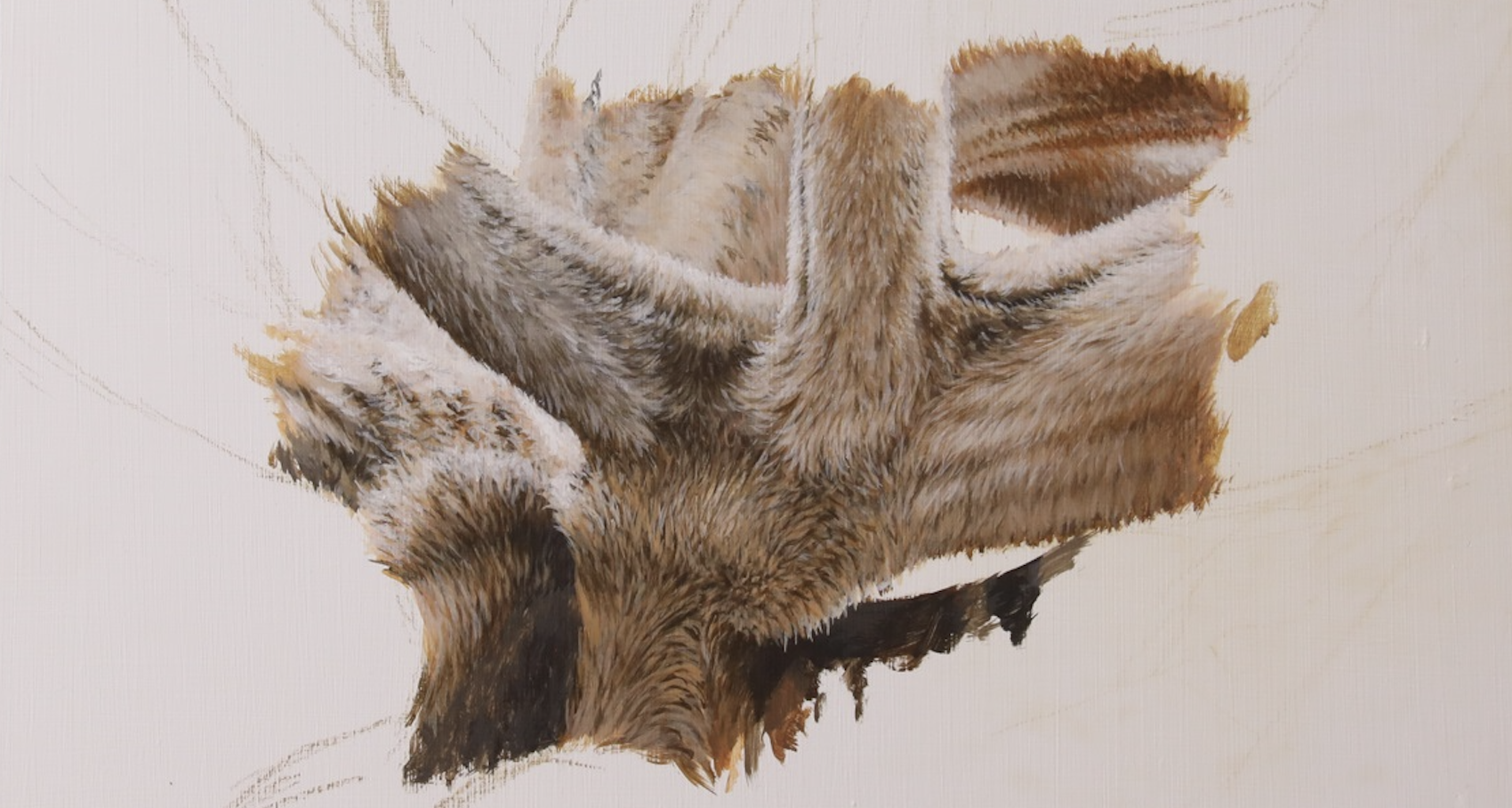
2. Micro Tutorial - Materials - October 11
I want to start at the very beginning by explaining my materials, the variations, why they are essential (why some items might not be necessary), alternatives, brand differences, what to look out for when assessing genuine quality, and so much more. The materials we use can make or break the experience, but there are also ways that we can make the most of what we have. There will be a separate micro tutorial for acrylic and oil paint.
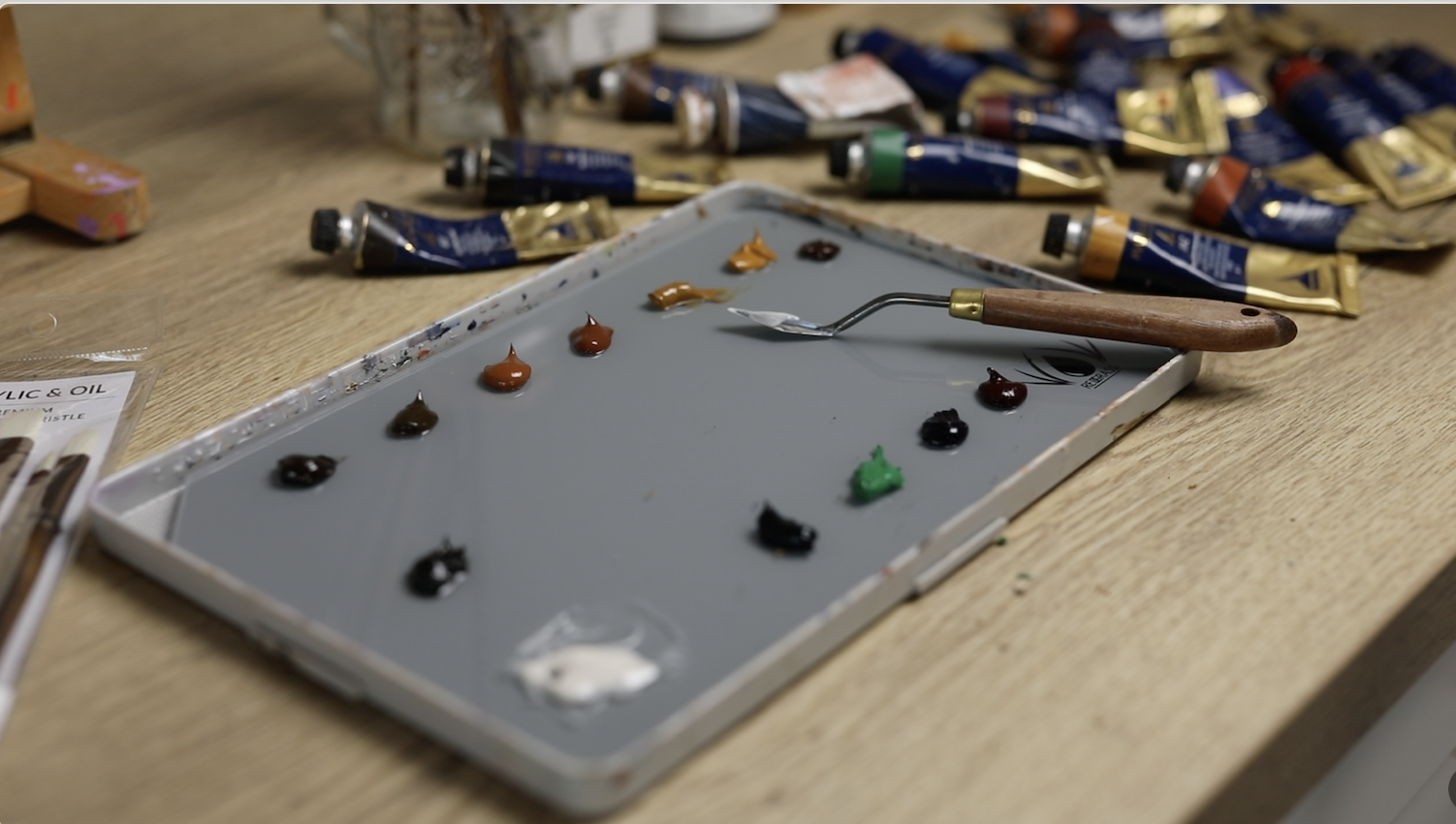
3. Live Demonstration: On the Easel - Thursday, October 17.
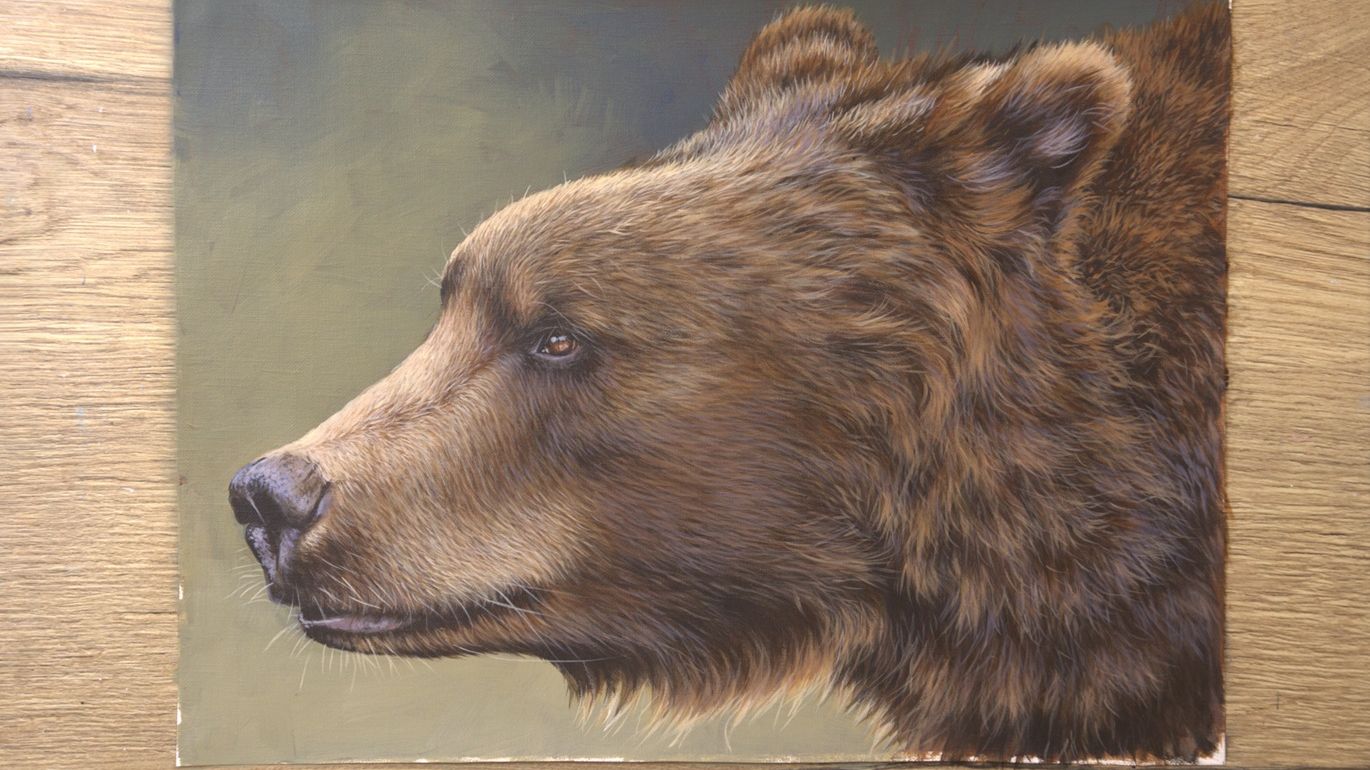
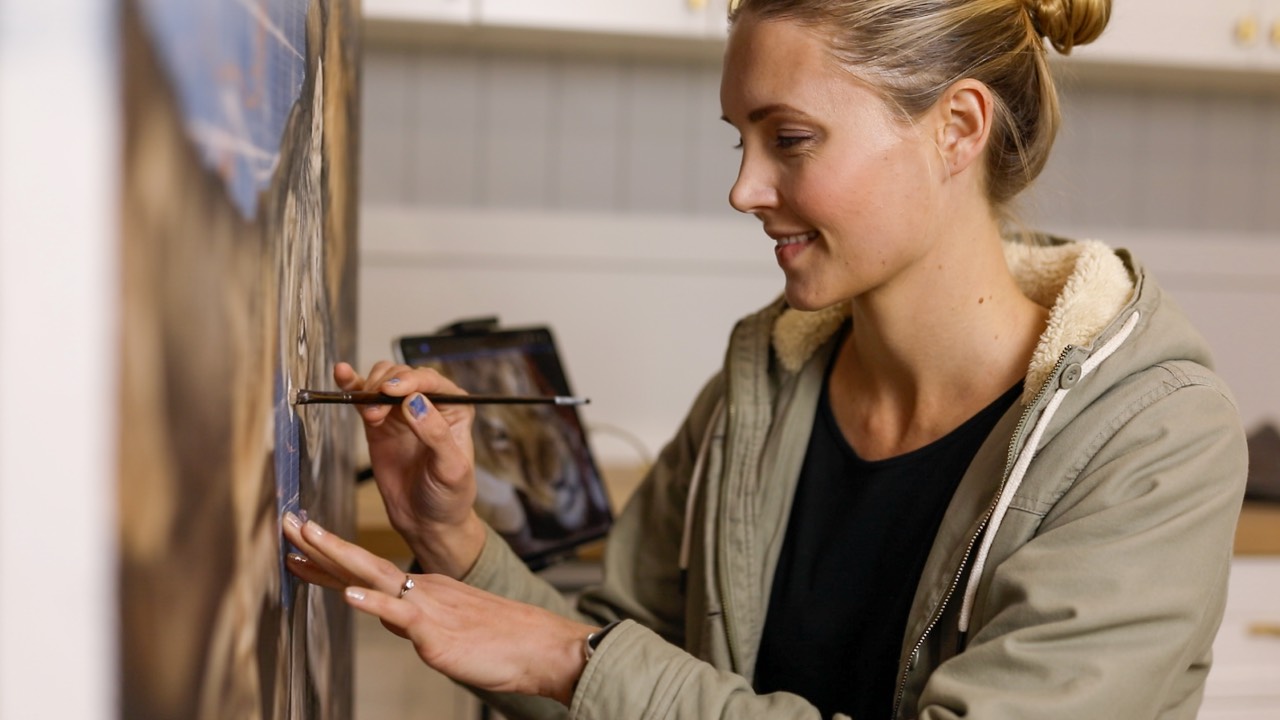
Our live demonstration events will focus on what I am working on, giving you an in-depth look into my original painting. I'll be able to show you "behind the scenes" processes and nuances of the high-profile project I have on in the studio while also showing you the reality of the pieces.
4. Bonus: How to Fix Torn Canvas
An artist recently asked me how to fix a torn canvas. This is (thankfully) something I have never had to do myself; however, I have researched the process extensively. Below is a pretty good tutorial that shows you how to repair a torn canvas; however, I would alter the process slightly by using Mode Podge glue instead of PVA, and I would use lightweight moulding paste by Golden to fill in the tear on the face of the canvas. This moulding paste doesn't shrink as much as it dries; it's flexible, and its lightweight consistency makes its finish easy to work with. Once the moulding paste is dry, I would sand it back so that it is smooth and even with the surface of the painting. You will then need to paint over the section, but the tear should hopefully be challenging to locate once this is complete.
Here is the YouTube tutorial that explains how to repair torn canvas (this is not my video, but one created by Monte Marte Art Supplies):
https://www.youtube.com/watch?v=eoP8w6S8VgI
I look forward to seeing you in our live demonstration next week. If you have any questions or requests, please feel free to send me an email at carla@carlagraceart.com
Kind regards
Carla Grace.

Responses