
Hi everyone,
I hope you are well.
Welcome to the content schedule for November. Below is a description of what to expect, plus an additional bonus section on Limited and Open Palettes.
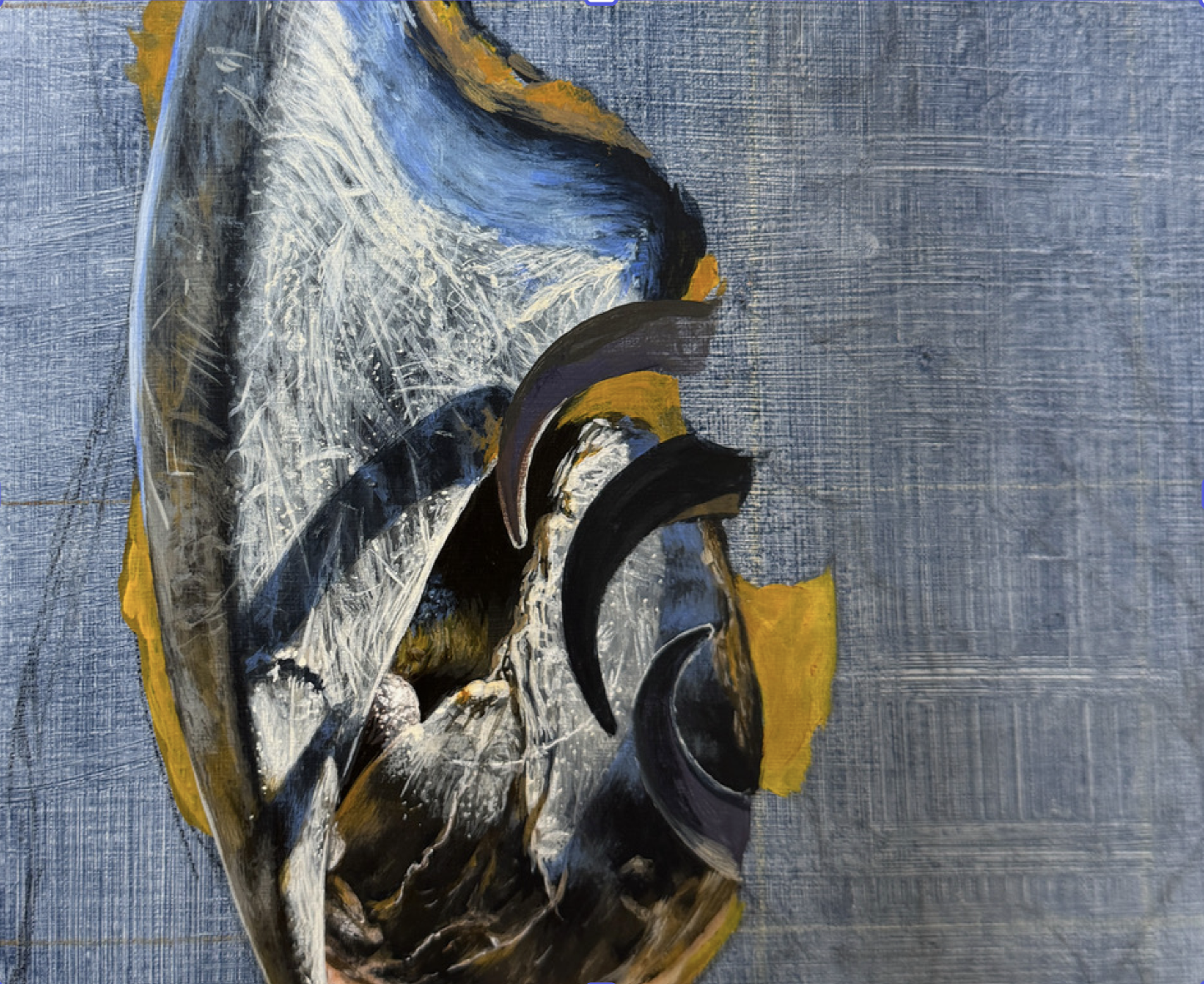
- Hyper detail tutorial - Beaks (Part One) - Available now
This month's primary tutorial is Part One of a Two-Part tutorial, which shows you a detailed study of how to paint the beaks and claws of birds. This tutorial focuses on the beak of a Blue Macaw, showing you the step-by-step process of how I create the textures, colours and hidden colours of the beak. I explain the differences and similarities in achieving the same effect with oil paint.
2. Micro Tutorial: Preparation - November 15
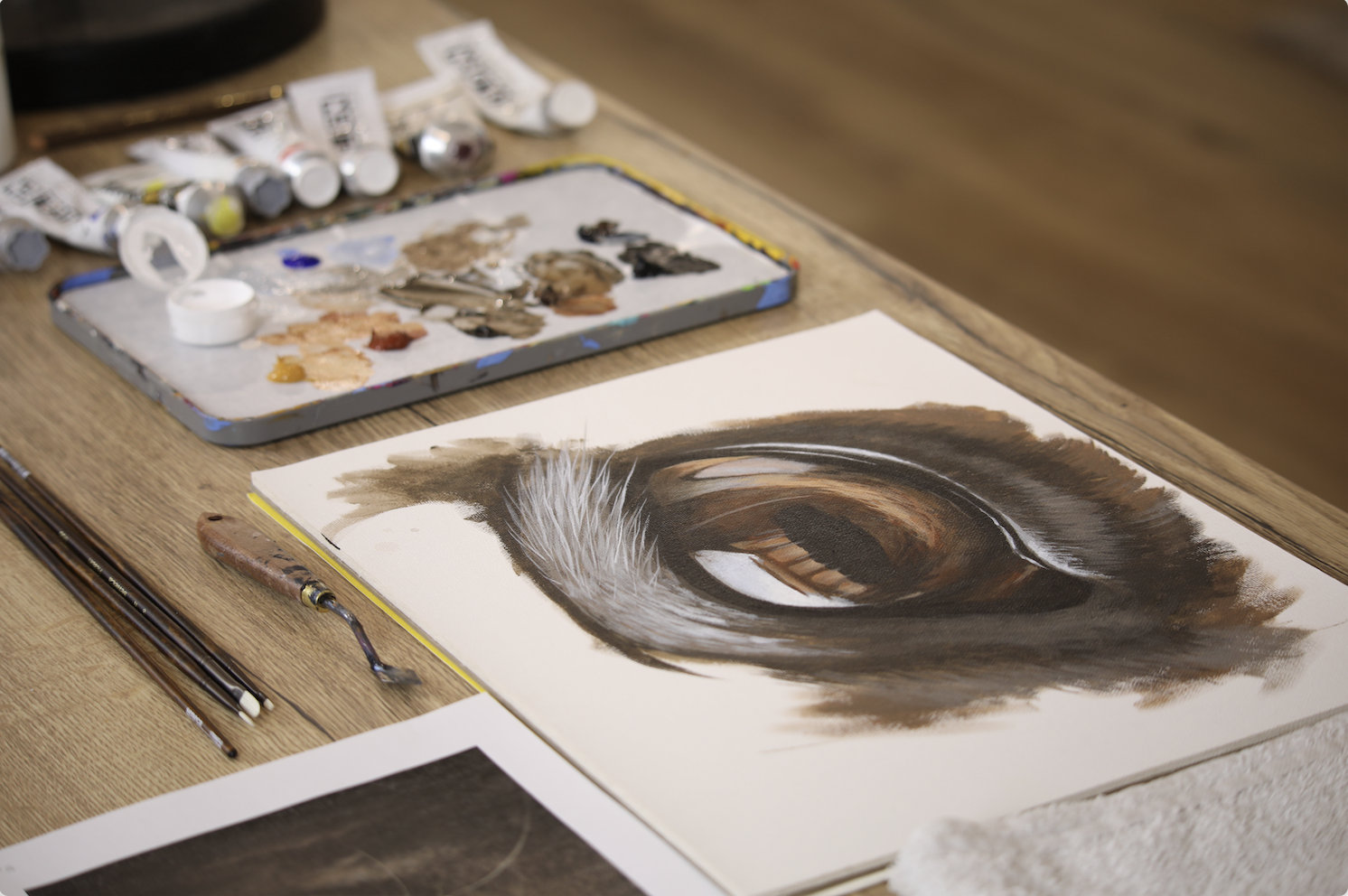
Last month, I released the first segment of my new Beginner Series, where I discussed the materials and how I use them for oil and acrylic paint. The next segment in the new series will demonstrate the preparation of the materials for the painting process. This will include a new tutorial on how to stretch canvas and linen, prepare wooden artist panels, prepare the palette and paints, and prepare (or set up) your painting environment for the most efficient and comfortable practice. As you can tell, these monthly segment releases of micro tutorials are a bit more intensive, which I love!

3. Live Demonstration: Painting Challenge - Thursday, November 21.
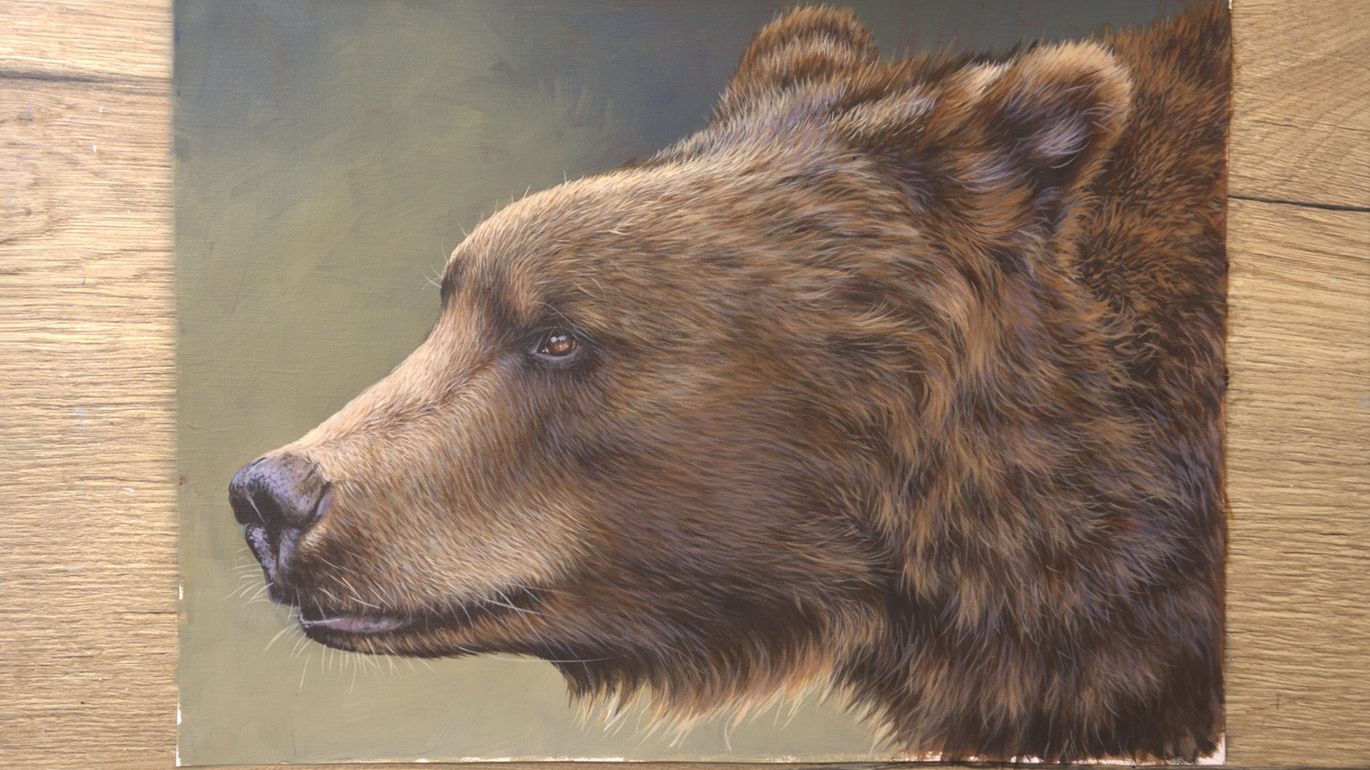
Our live demonstration event is going to focus on a new painting challenge as I demonstrate a more efficient, simplified breakdown of my layering process. I will paint the subject with a limit of 6-7 layers so that the principles behind my way of working become incredibly simple and easy to replicate in any topic you choose to paint. (The subject is still to be confirmed)
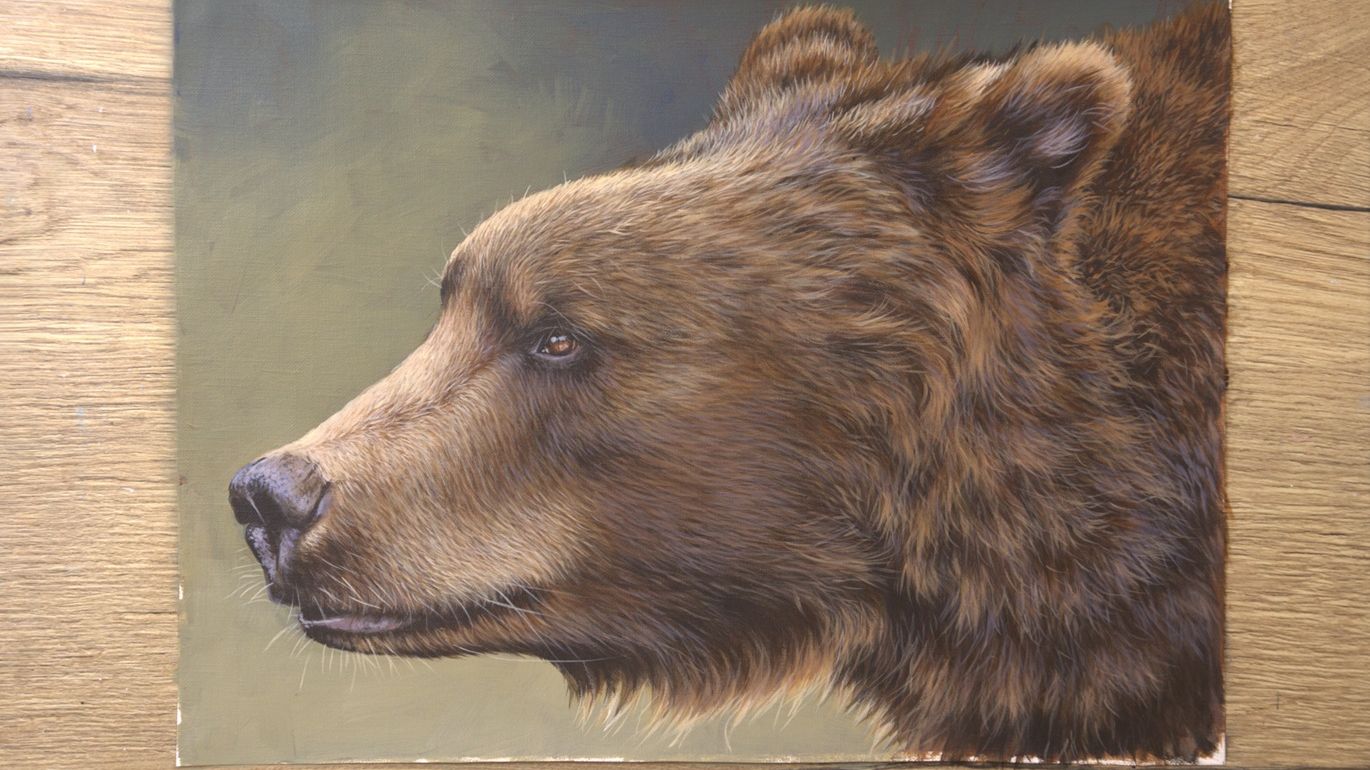
4. Bonus: Understanding a Limited Palette vs Open Palette
When you get used to the tutorials I create, and the palette I use regularly, you might notice that I use a limited palette. A limited palette is a palette with very limited colours. Often, with a limited palette, the colours become mixed ahead of time, which can also be referred to as a controlled palette. When working with a limited and controlled palette, the mixes are very predictable, and the process is repeatable between paintings, no matter the subject. However, this isn't always possible to maintain.
Suppose an artist should wish to add any colour to their regular colour selection randomly. In that case, this is called a guest colour. If an artist would instead mix colours on the fly, as they see it and as it is applied to the painting, that is called an Open Palette. Sometimes, my process combines all of the above theories, limiting my palette, with the occasional guest colour added to it, but also mixed and applied openly.
Here is a list of my limited palette
- Titanium white
- Burn & Raw Umber
- Burnt & Raw Sienna
- Yellow Ochre
- Mars Black
- Paynes grey
- French Ultramarine Blue
- Alizarin Crimson Hue
Here are my guest's colours
- Lemon Yellow (or cadmium yellow light)
- Cadmium Red
I will dive into exciting palette combinations by subject matter in later modules of my new series, from beginner to advanced, making it easy to source standard colours according to your choice of subject matter. I have always hated colour theory and have felt inadequate when it comes to mixing my colours. Now that I have begun to understand it, colour theory is fun and logical once the initial wave of information overload has passed. I look forward to sharing everything I have learned and am learning with you on this platform.
If you have any questions or requests, please feel free to send me an email at carla@carlagraceart.com
Kind regards
Carla Grace.

Responses