
Hi everyone,
I hope you are well.
Welcome to July's content schedule! Here's a sneak peek of what you can look forward to this month:
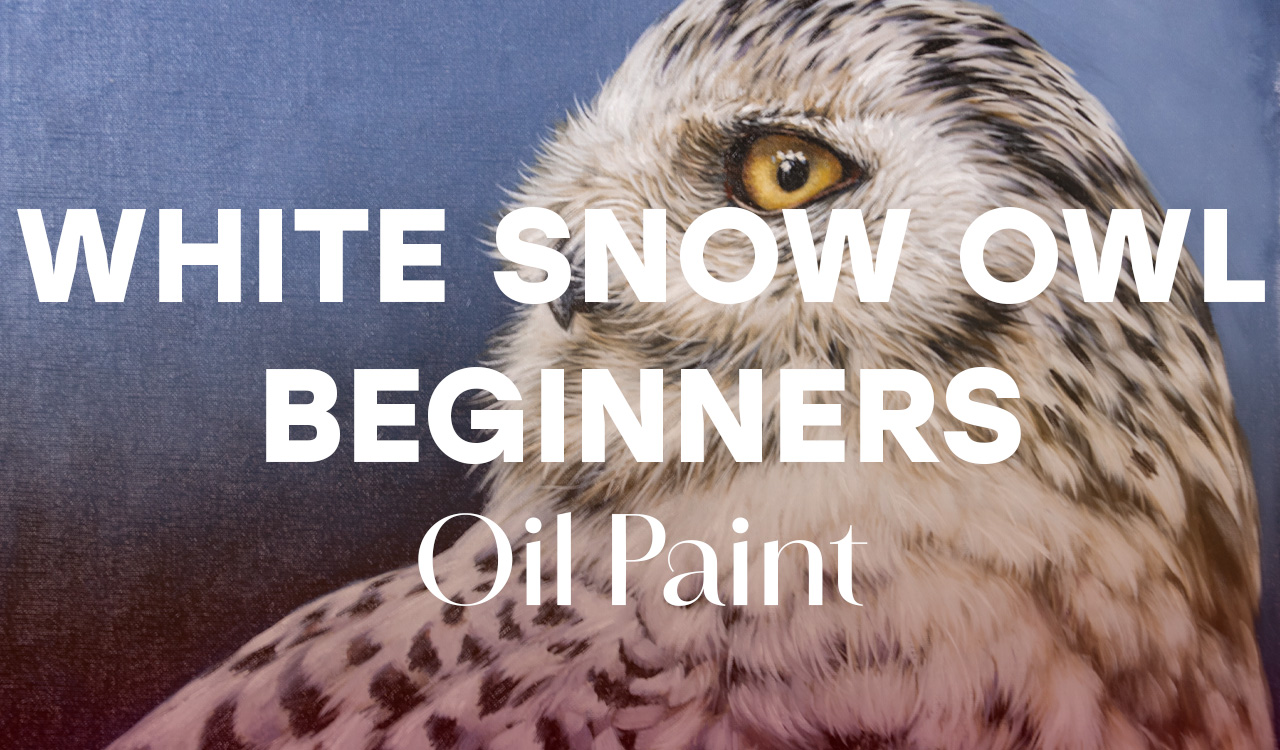
- Main tutorial - White Snow Owl - Oil paint - Available Now (today)
In this tutorial, I will show you how to paint a realistic oil portrait of a snow owl, focusing on creating soft white feathers with depth, texture and subtle colour variation. I’ll guide you through balancing warm and cool colour temperatures so you can build clean, luminous whites without them feeling flat or overworked. We’ll also explore how spotted feathers, reflected light and a soft atmospheric background can add realism and mood to the portrait, making this an ideal beginner-friendly lesson for anyone wanting to improve realism in their wildlife paintings.
2. Live Demonstration - Yellowstone Colour Study - Thursday , July 9 10 am (ACDT)
This month I will be doing the Live Demonstration early due to my trip to New York City for an exhibit at Sotheby's.
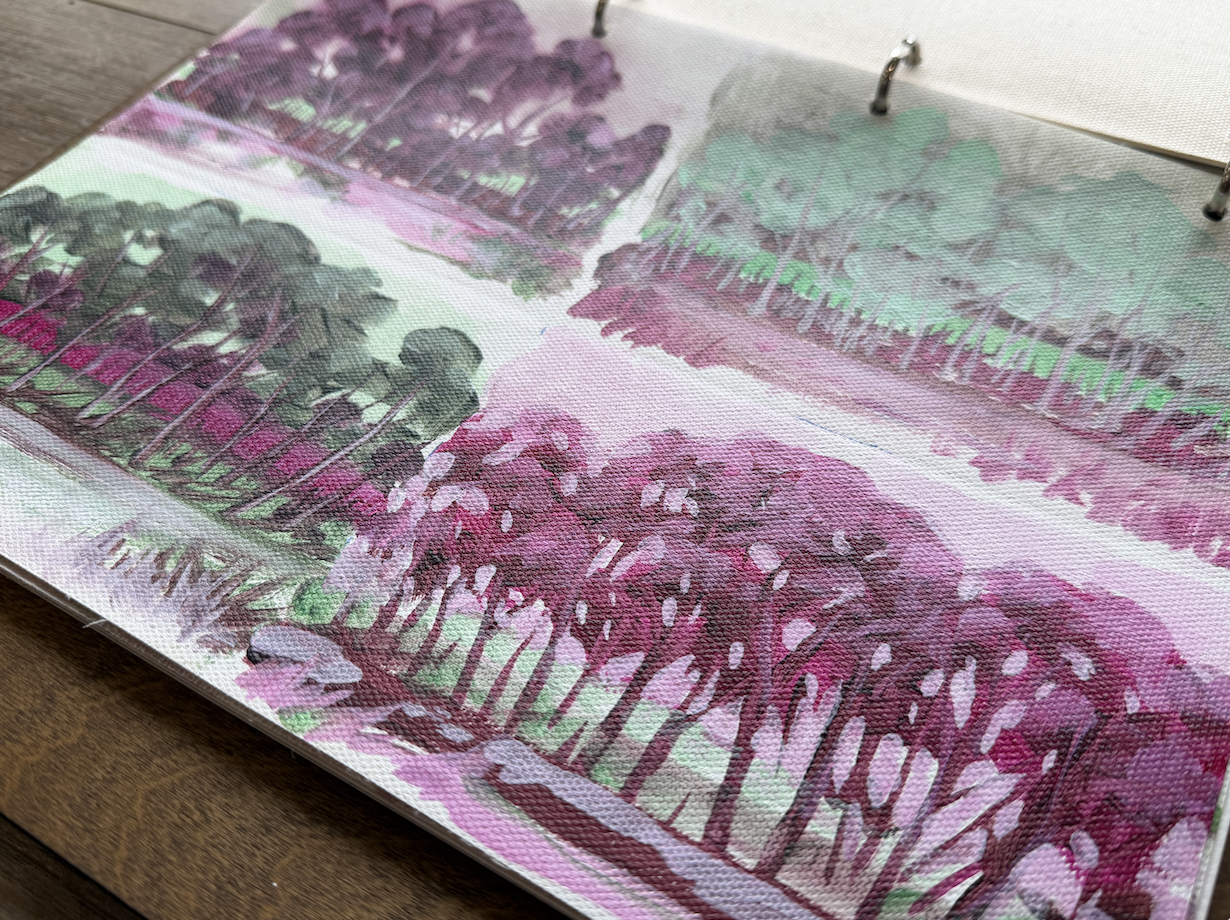
Having just returned from my first international workshop at Yellowstone, I cannot help but share some of what we learned there with you all. The most surprisingly valuable part of the workshop was a section where we created quick colour studies based on simple colour theory. These colour studies were focussed on mostly landscape elements, playing with dominant and subdominant colour combinations of complimentary colours.
In the live demonstration, I am going to share the exercise with you as it has become a wonderful part of my own practice that trains me to loosen my brush work, play with colours I otherwise would never have played with and experiment.
If you are not able to make it to the session, you are welcome to send your questions to me by email ahead of time: carla@carlagraceart.com
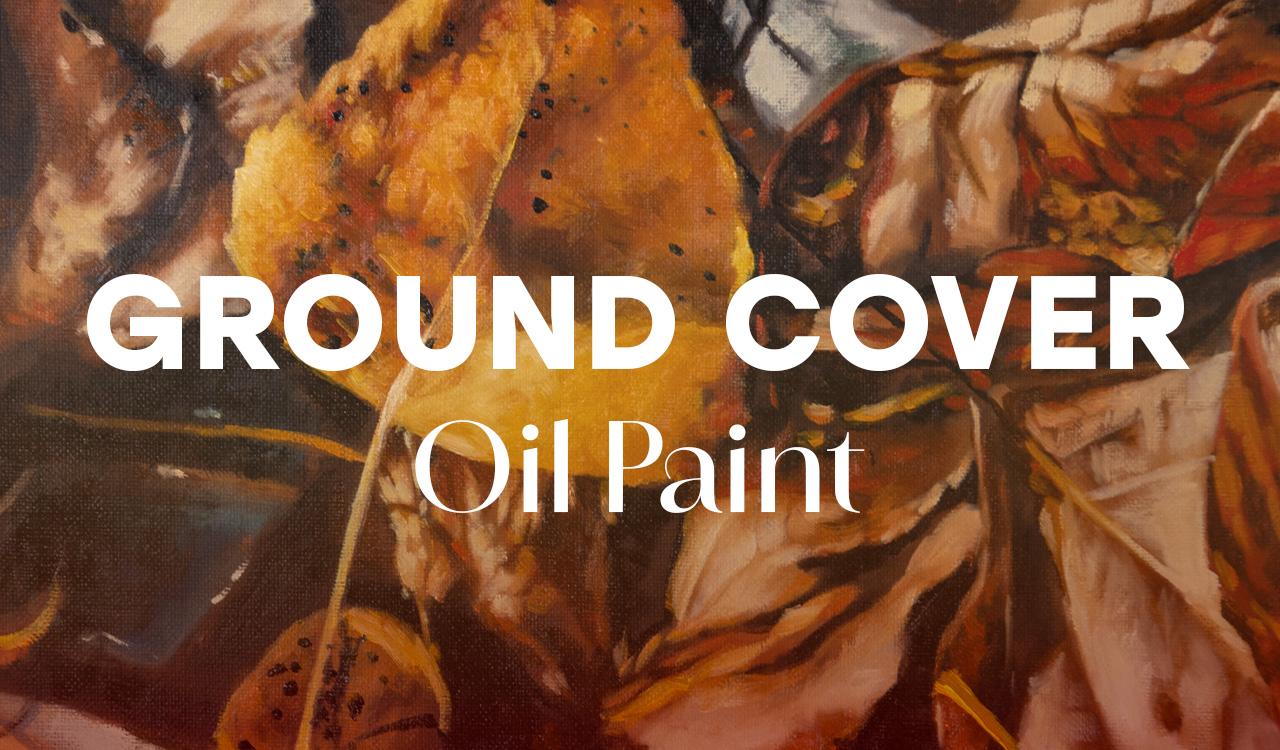
3. Exclusive Content Tutorial: Groud Cover - Oil Paint Friday, July 17
If you have any questions or requests, please feel free to email me.
Kind regards
Carla Grace

Responses